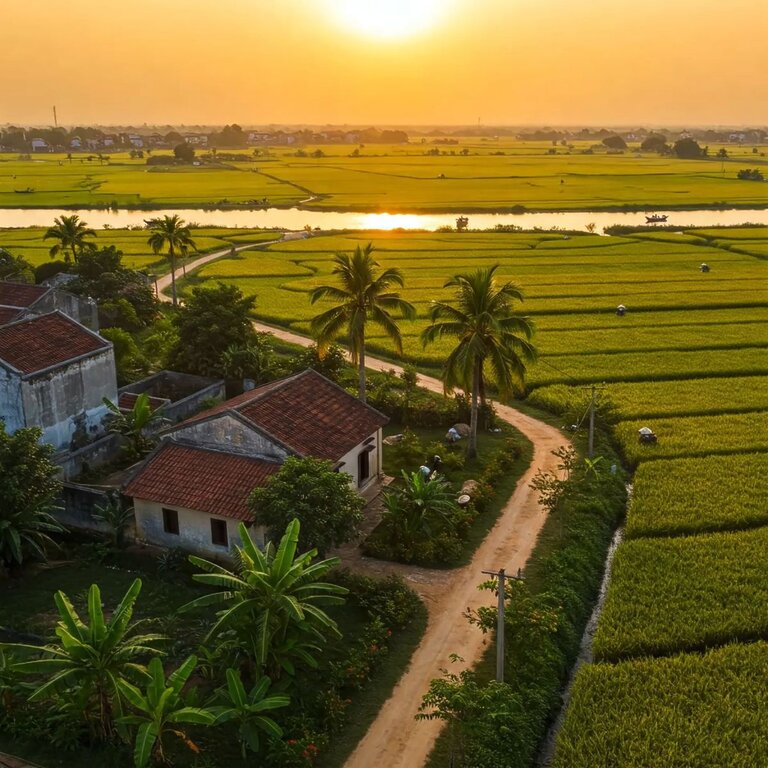
On the tourism map of the Mekong Delta, Tan Chau (An Giang) is often remembered for its renowned silk weaving villages. Yet, to truly experience the rhythm of life in this borderland region, the very first destination should be Tan Chau Market (now known as Tan Chau Trade Centre). Unlike many tourist-oriented markets designed for visitors, this market captivates travellers through its authenticity in trade, the abundance of local produce, and the simple yet meaningful stories of everyday life.
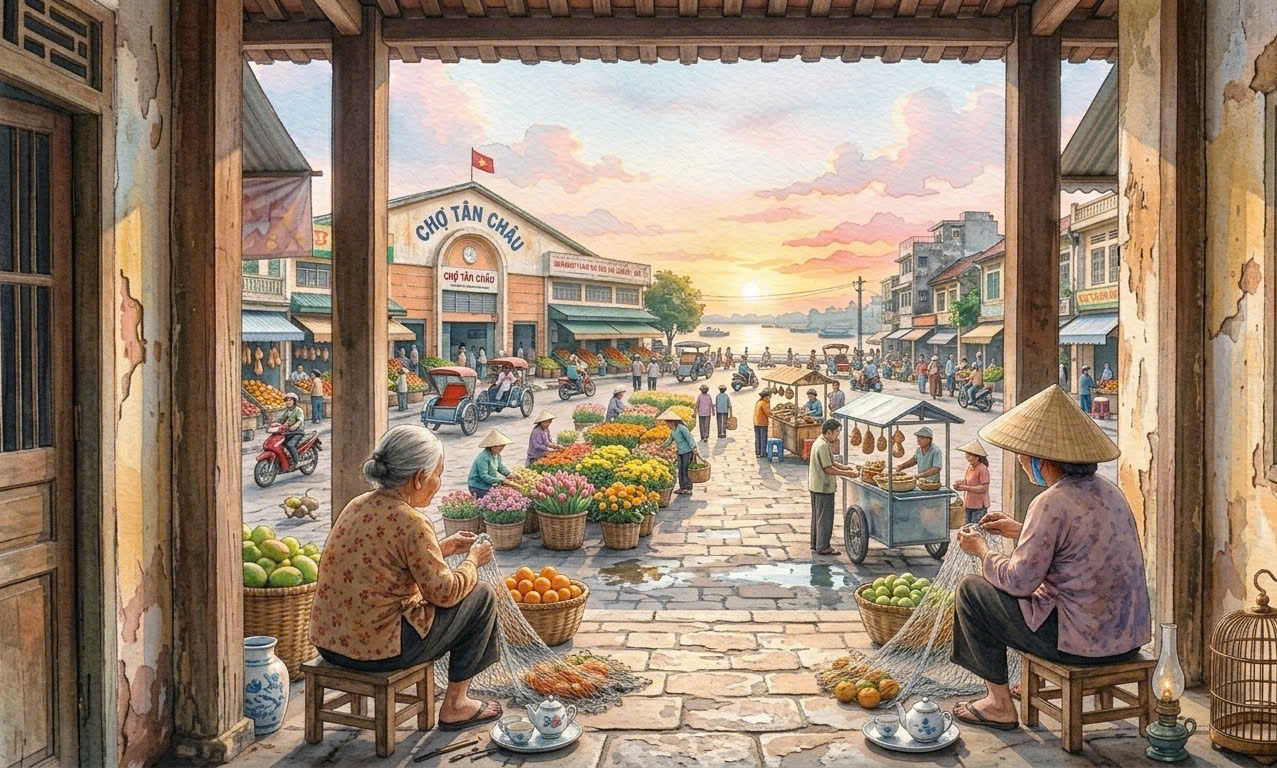
A Modern Transformation Behind the Rustic Market Charm
Stepping into Tan Chau Market, the first impression is its vast and well-organised space, with nearly 1,000 bustling stalls operating daily. The market carries the dynamic atmosphere of an urban commercial centre while still preserving the rustic charm of a riverside countryside market.
One of the most fascinating aspects here is how naturally technology has blended into daily life. Tan Chau has successfully implemented a “cashless market” model. Walking through the stalls— from silk shops to vegetable vendors — visitors will notice that more than 90% of merchants display QR codes for digital payments. For travellers from major cities or international tourists, the ease of simply scanning a code to transfer money is a surprisingly convenient experience amid such a traditional setting.
A Trading Culture Without Aggressive Selling
One of the reasons Tan Chau Market leaves a lasting impression on visitors is the attitude of the local people. Unlike the persistent sales tactics or inflated prices often found in heavily commercialised tourist spots, the merchants of Tan Chau sell their goods with the openness and gentleness characteristic of An Giang locals.
They are always willing to enthusiastically explain the origin of a river fish or show customers how to distinguish handwoven silk, even if visitors are only browsing without intending to buy. This sincerity and absence of pressure create a pleasant shopping environment where people come not only for transactions, but also for conversations.
Market Sections That Reflect Local Life
The market is scientifically divided into separate areas, making it easy for visitors to explore:
- Fresh Produce and Floating Fish Cage Section: Thanks to its location beside the Tien River, this area is always filled with shrimp and fish freshly caught from the Mekong River or raised in floating cages. The seafood is so fresh that a single glance is enough to reveal the richness of local resources.
- Dried Goods and Spice Section: This area gathers fragrant local rice varieties, fermented fish sauces such as mam that and mam chot, along with traditional seasonings commonly used in the daily meals of borderland residents.
- Traditional Handwoven Silk Section: Here, visitors can find Tan Chau silk, especially the famous Lanh My A silk — a unique silk product of Tan Chau people dating back to the early 20th century and now over a hundred years old. This luxurious silk was once reserved exclusively for aristocrats and has helped Tan Chau earn the title of the “Land of Mulberry and Silkworms.”
- Spiritual and Worship Items Section: Quietly located in one corner of the market, this area sells votive paper offerings, candles, and ceremonial items, reflecting how the market fulfils not only material needs but also the spiritual life of local residents.

A Paradise of Street Food and Culinary Heritage
Tan Chau Market is truly a miniature culinary stage, vividly reflecting the cultural fusion of Kinh, Chinese, and Khmer communities that have coexisted here for generations.
Distinctive Fusion Dishes
If you visit the market in the late afternoon, you will be greeted by the irresistible aroma from the Chinese-style scallion pancake stalls. Made from rice flour mixed with finely chopped scallions and pan-fried with eggs until the edges turn crispy, this snack has become a familiar afternoon ritual for local food lovers.
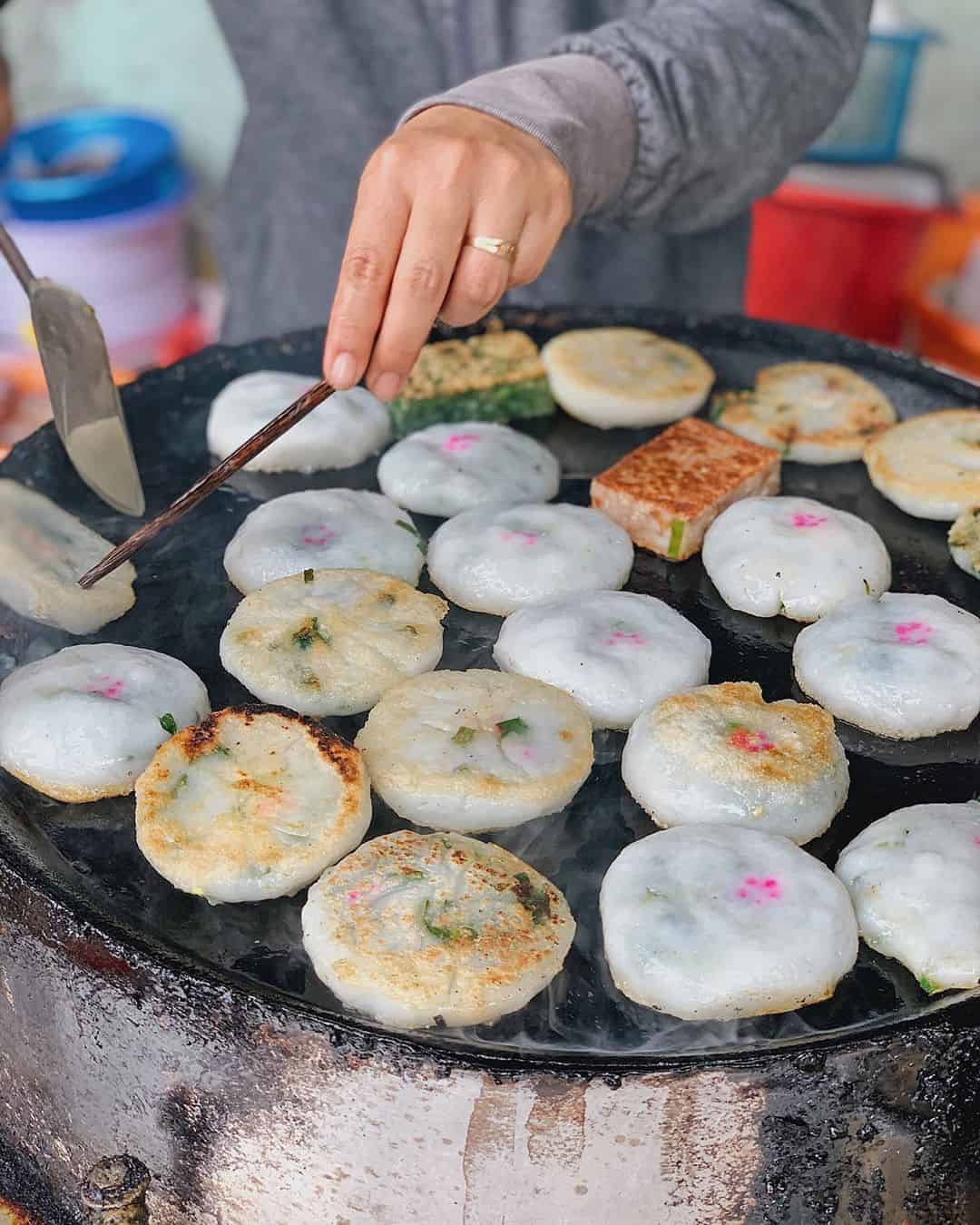
Another specialty is the Khmer-style banh khot. Unlike the golden-colored banh khot of Eastern Vietnam, which uses turmeric powder, Tan Chau’s version retains the natural white colour of rice flour. The cakes are fried until crispy and served with rich, creamy coconut milk sauce.
Countryside Snacks and Family Legacy Food Stalls
Walking through the food section, visitors can also discover unique breakfast dishes and light snacks such as sweet steamed buns coated with shredded coconut, refreshing pandan leaf porridge, and pandan sticky rice infused with star anise for a distinctive herbal fragrance.
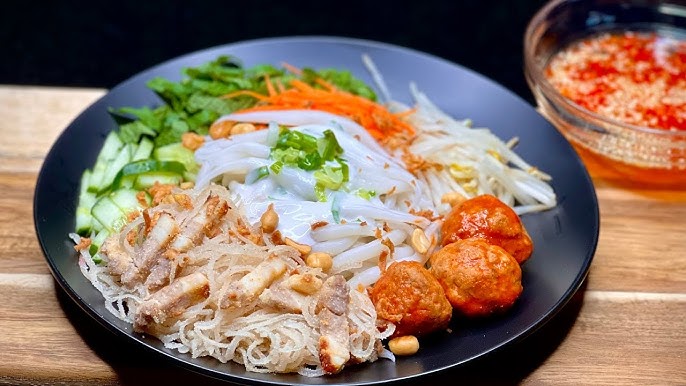
Most notably, tucked away in the corner of the old market is a Banh tam bi xiu mai stall that has existed for more than 20 years. Preserving the same recipe and flavours across two decades, this humble food stall has become more than just a delicious dish — it is a cherished childhood memory for generations of residents.
Conclusion
Tan Chau Market does not quiet down after the morning session; instead, it remains lively until late evening, especially around the food area. People come here not only to buy and sell, but also to meet friends, enjoy a simple snack, and share everyday stories.
The harmonious blend of modern elements from a contemporary trade centre and the rustic traditional values of a countryside market has transformed Tan Chau Market into a “living museum” of borderland culture. For those seeking an authentic, meaningful, and unpretentious Mekong Delta experience, this market is truly an unmissable destination.