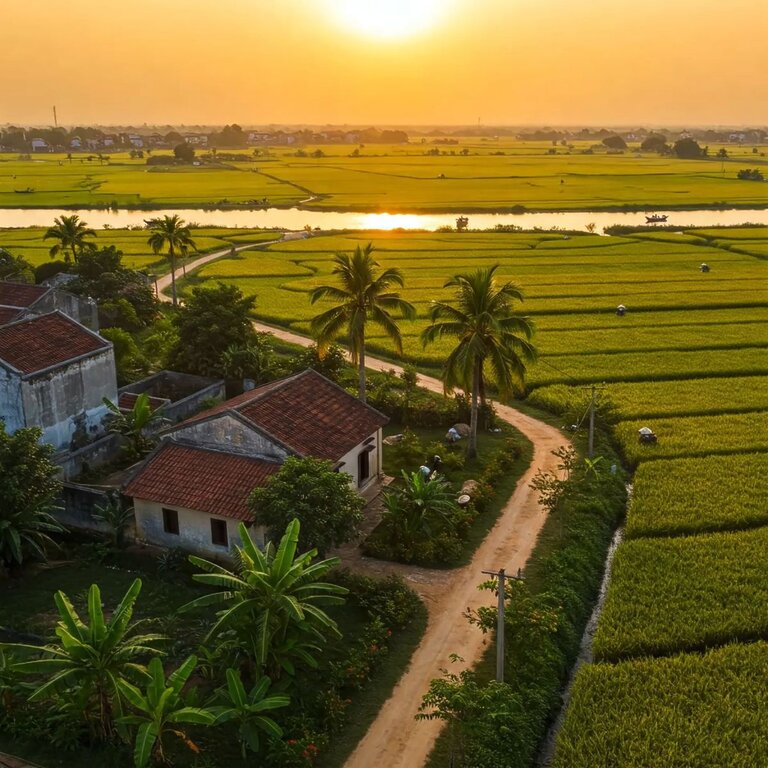
For 26 years of operating river cruises, Focus Travel has always regarded protecting the river as a condition for survival.
The world’s great rivers — such as the Mekong, the Danube, and the Yangtze — are the lifeblood of civilisations, sustaining the livelihoods of millions and representing natural legacies that can never be restored once lost. Yet over the past few decades, their very appeal has also become their greatest threat. Massive amounts of plastic waste, untreated wastewater, and the pressure of uncontrolled tourism have once pristine and slowly suffocated waterways.
For Focus Travel, the Mekong is both our origin and our greatest commitment. Over the past 26 years, we have chosen this river as the place to bring our philosophy of sustainable development to life before expanding it to international journeys.
To realise this commitment, Focus Travel has built its sustainable tourism strategy upon the 4S philosophy — Smart, Slow, Small, and Sustainable — four pillars that shape how the company operates, creates value, and takes responsibility for the rivers it journeys upon.
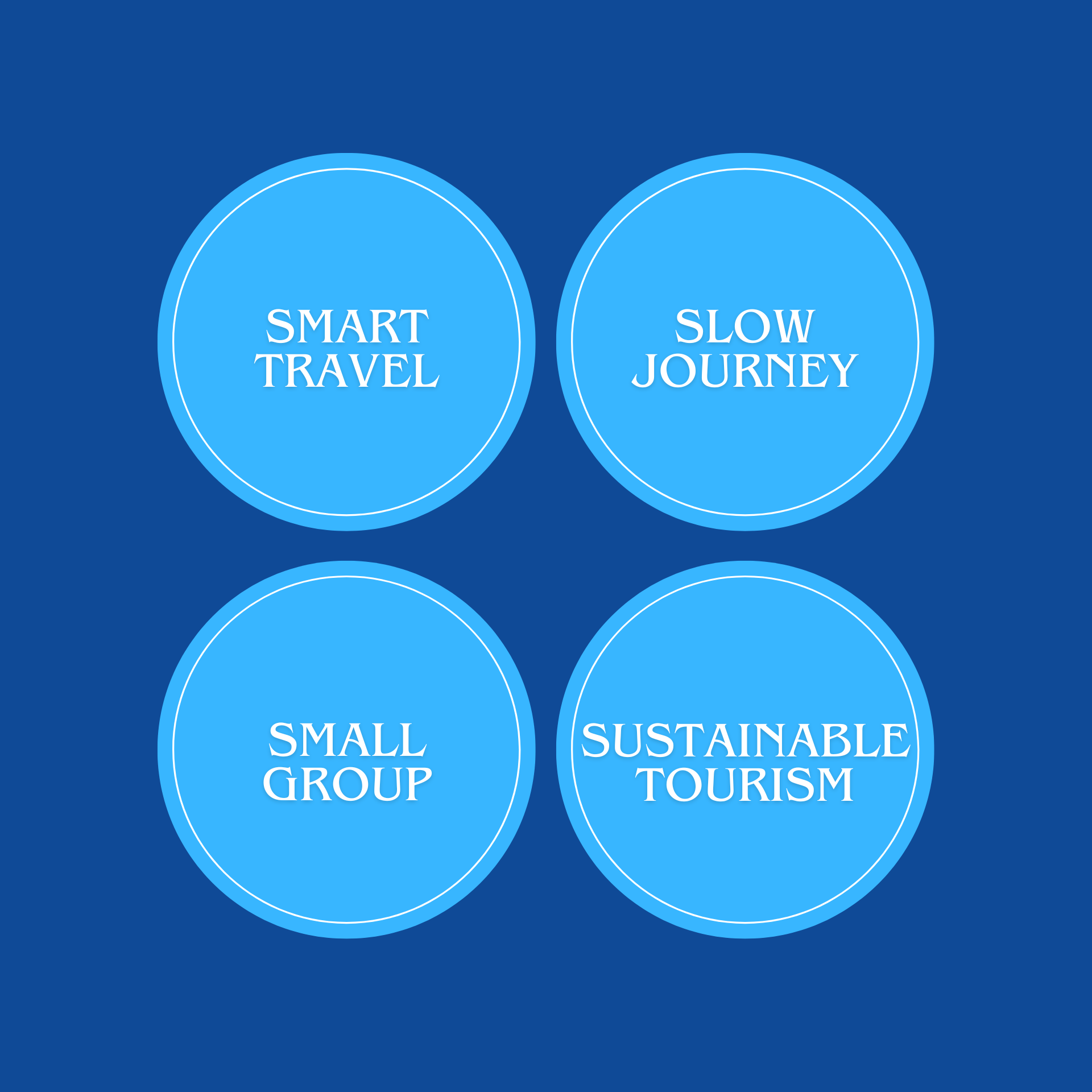
These four principles do not exist independently. They intersect and reinforce one another, forming an operational ecosystem in which every voyage carries not only travellers, but also a commitment to the river, to local communities, and to future generations.
Today, this 4S philosophy has evolved into a structured ESG framework — Environmental, Social, and Governance — serving as the backbone of every operational decision we make.
Environmental Pillar: Cruises That Leave No Trace
The fundamental question Focus Travel asks in every onboard operation is simple: Will this harm the river?
The first issue addressed is single-use plastic. Across all Focus Travel cruises — from MV La Marguerite on the Mekong to our international itineraries — 100% of disposable plastic bottles have been replaced with glass bottles or onboard water filtration systems. Dining utensils, from straws to cutlery, have transitioned to stainless steel or biodegradable materials. Plastic bags are absent from guest cabins and gift services.
Yet the greater and less visible challenge lies in liquid waste. If improperly managed, a continuously operating river vessel can quietly become a source of pollution within the very waters it navigates. Focus Travel has invested in closed-loop blackwater and greywater treatment systems, ensuring that all wastewater is processed internally and that no untreated discharge flows directly into the river. Solid waste is sorted, compressed, and transported ashore for proper disposal according to standardised procedures.
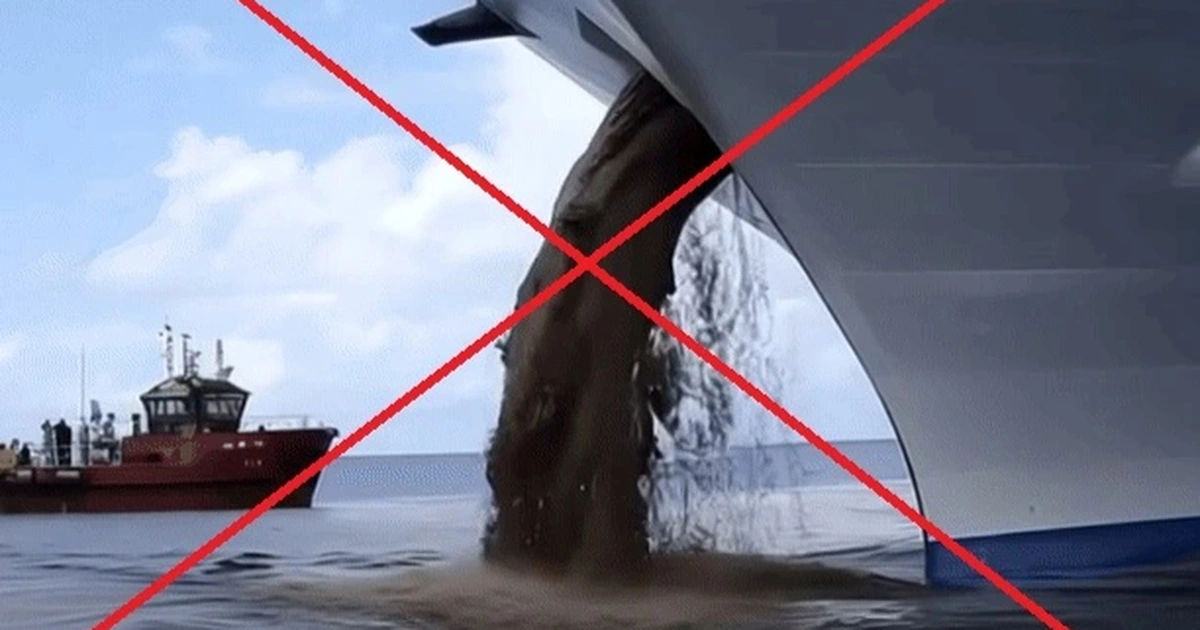
Source: dantri.com.vn
On a broader operational level, docking schedules are deliberately optimised — not merely for technical efficiency, but also to reduce riverbank erosion and minimise disruption to benthic ecosystems. Engines are regularly maintained to prevent oil leakage, an often-overlooked but highly toxic threat to aquatic plants and fish species.
Social Pillar: Protecting Local Livelihoods Means Protecting the River
The greatest threat to a river does not come solely from tourism itself, but from the economic pressures faced by riverside communities.
Focus Travel approaches this challenge at its root. Rather than relying exclusively on large-scale suppliers, the company prioritises long-term partnerships with agricultural cooperatives along the Mekong River, ensuring stable market access for local produce while reducing pressure on uncontrolled natural exploitation. When families have stable income through the tourism supply chain, they are less likely to resort to unsustainable practices such as overfishing, intensive farming, or encroachment along riverbanks.
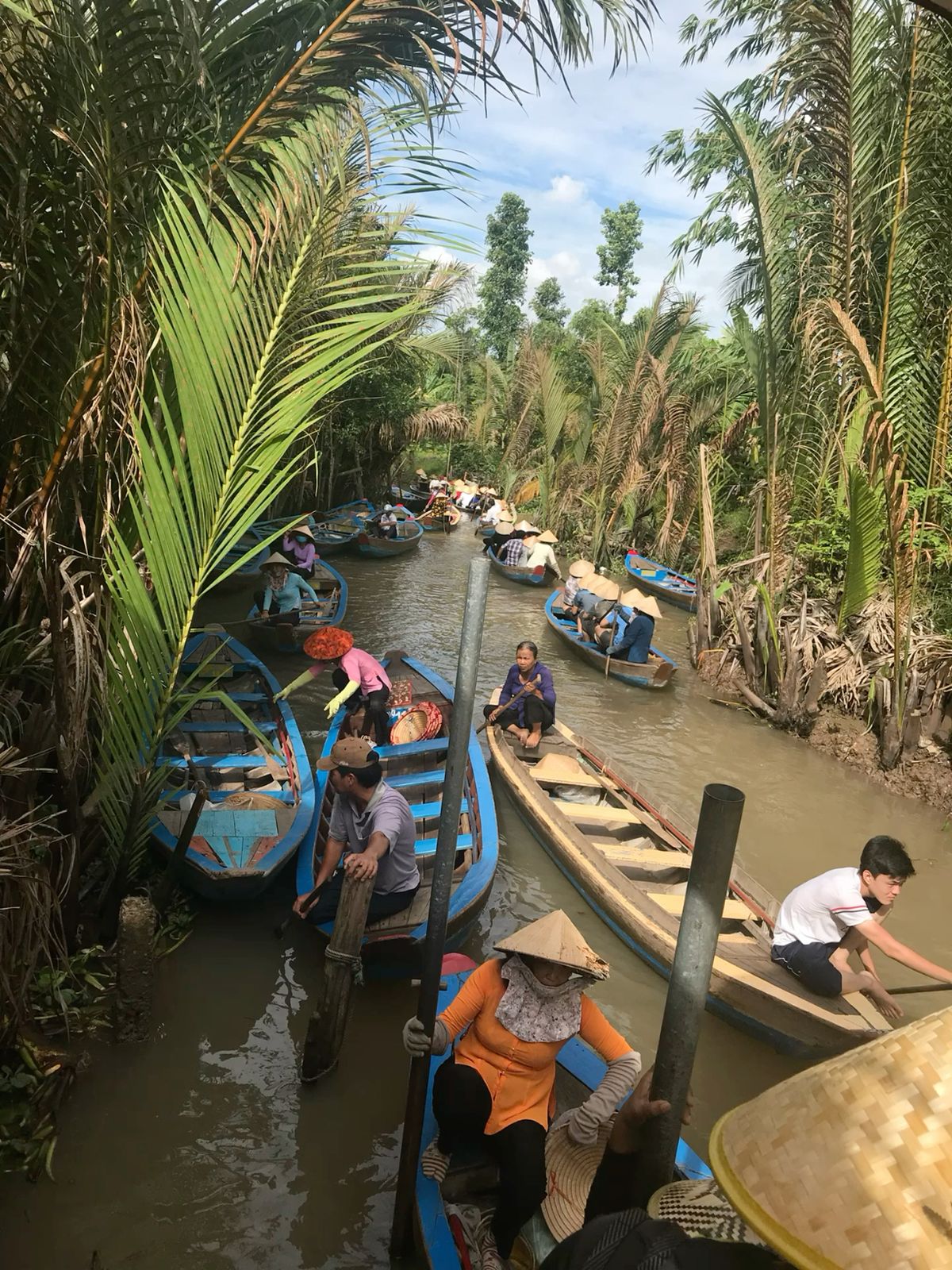
This philosophy is most clearly reflected in the design of products such as the 3-day, 2-night Mekong journey. Instead of overcrowding the itinerary with destinations, the experience embraces the concept of slow travel: departing from Ho Chi Minh City to Vinh Long, continuing downstream through Can Tho, and lingering long enough for travellers to genuinely engage with local life rather than simply observing it through a window.
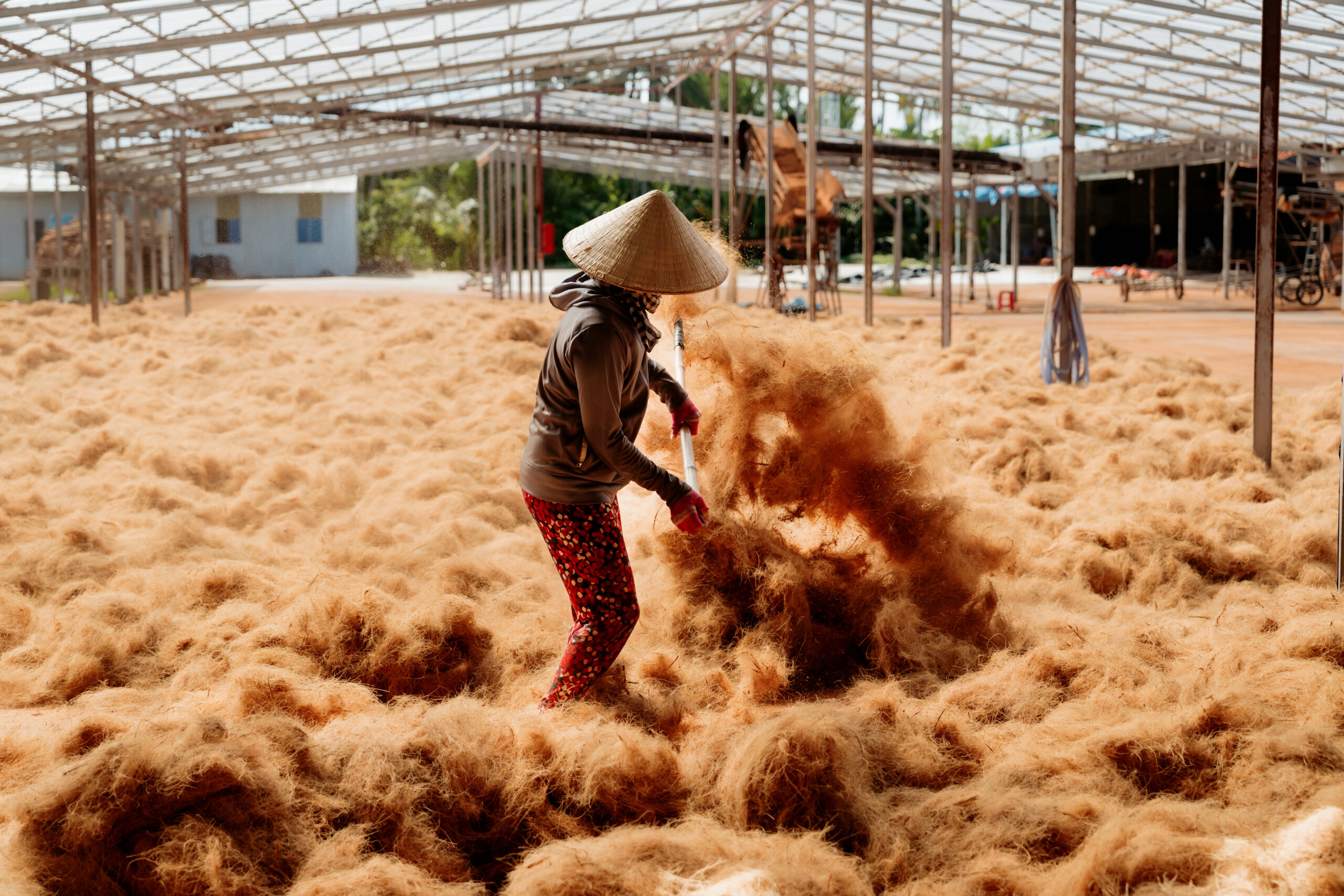
This journey is especially suited to families with young children pursuing the growing Edu-Travel trend. Throughout the voyage, children do not learn about the river from textbooks, but directly from the water itself — from boat rowers, from the scent of alluvial soil, and from the sound of water pumps at floating markets that have existed for centuries. It is one of the most powerful ways for future generations to understand the immense pressures these waterways are carrying. Through such authentic experiences, environmental awareness is nurtured naturally and sustainably — far more effectively than through slogans or brochures.
The second day of the itinerary offers another meaningful example. Guests are brought to Cong Than Mieu Temple in Vinh Long to witness a live Hat Boi performance, a traditional Vietnamese theatrical art form currently at risk of disappearing. It is a genuine performance by real artisans, sustained through the presence of visitors themselves. In this way, Focus Travel elevates the travel experience into an act of preserving the nation’s intangible cultural heritage.
Governance Pillar: When Declarations Become Transparent Commitments
In sustainable development, the greatest risk lies in the gap between words and actions. Focus Travel chooses to narrow this gap through transparent and accountable governance.
All cruise operations are conducted in alignment with rigorous environmental standards compatible with international benchmarks in river tourism. Staff members and crew are trained to understand standardised green operating procedures, from waste sorting practices to emergency responses for environmental incidents during voyages.
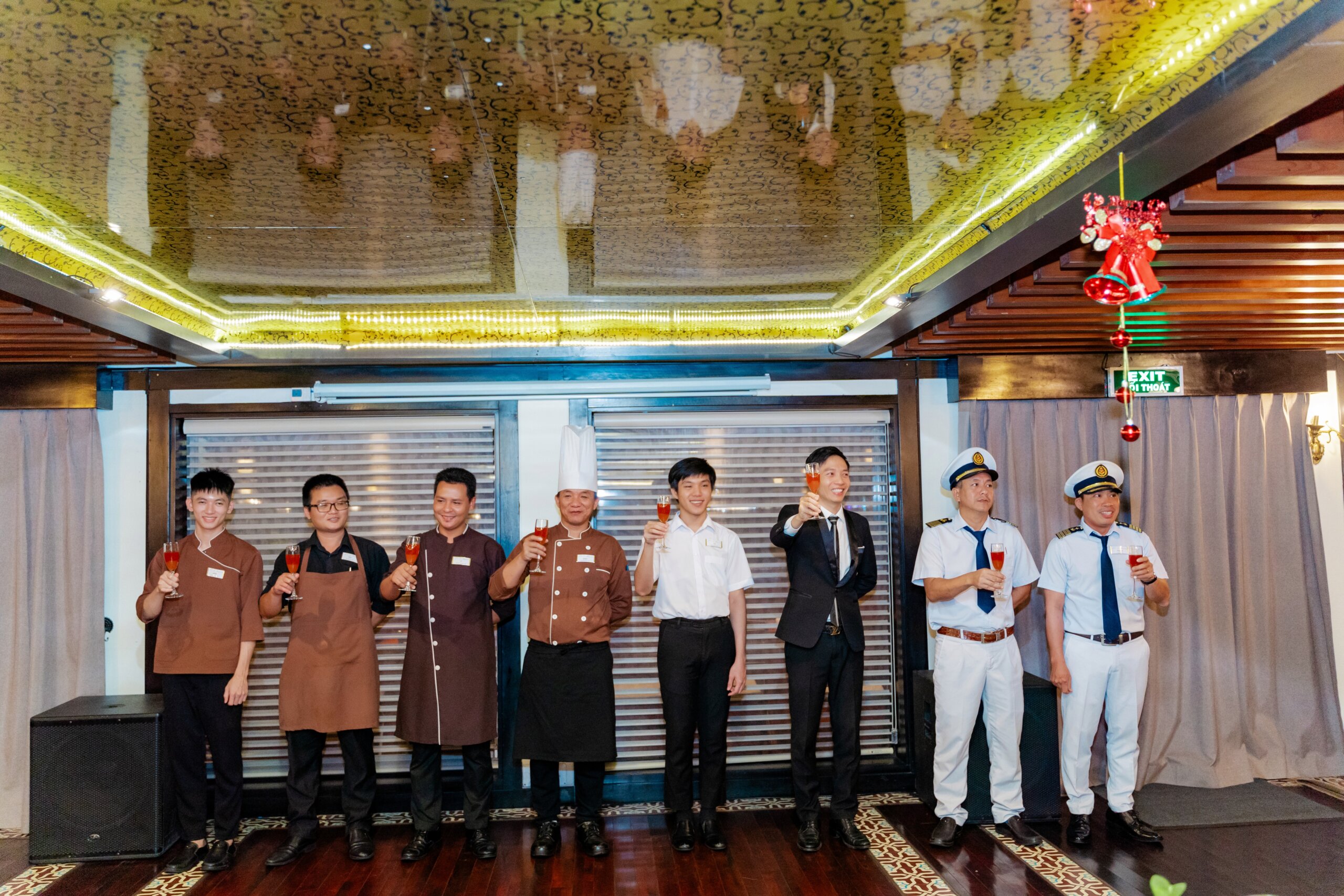
More importantly, Focus Travel is actively researching and gradually transitioning toward cleaner fuels and energy-efficient technologies for its fleet in the future.
None of these efforts remains confined to internal meetings. They are openly demonstrated to partners, investors, and travellers alike. Because true sustainability is built upon trust — and trust can only exist through transparency.
At Focus Travel, Every Vessel Is a Living Statement
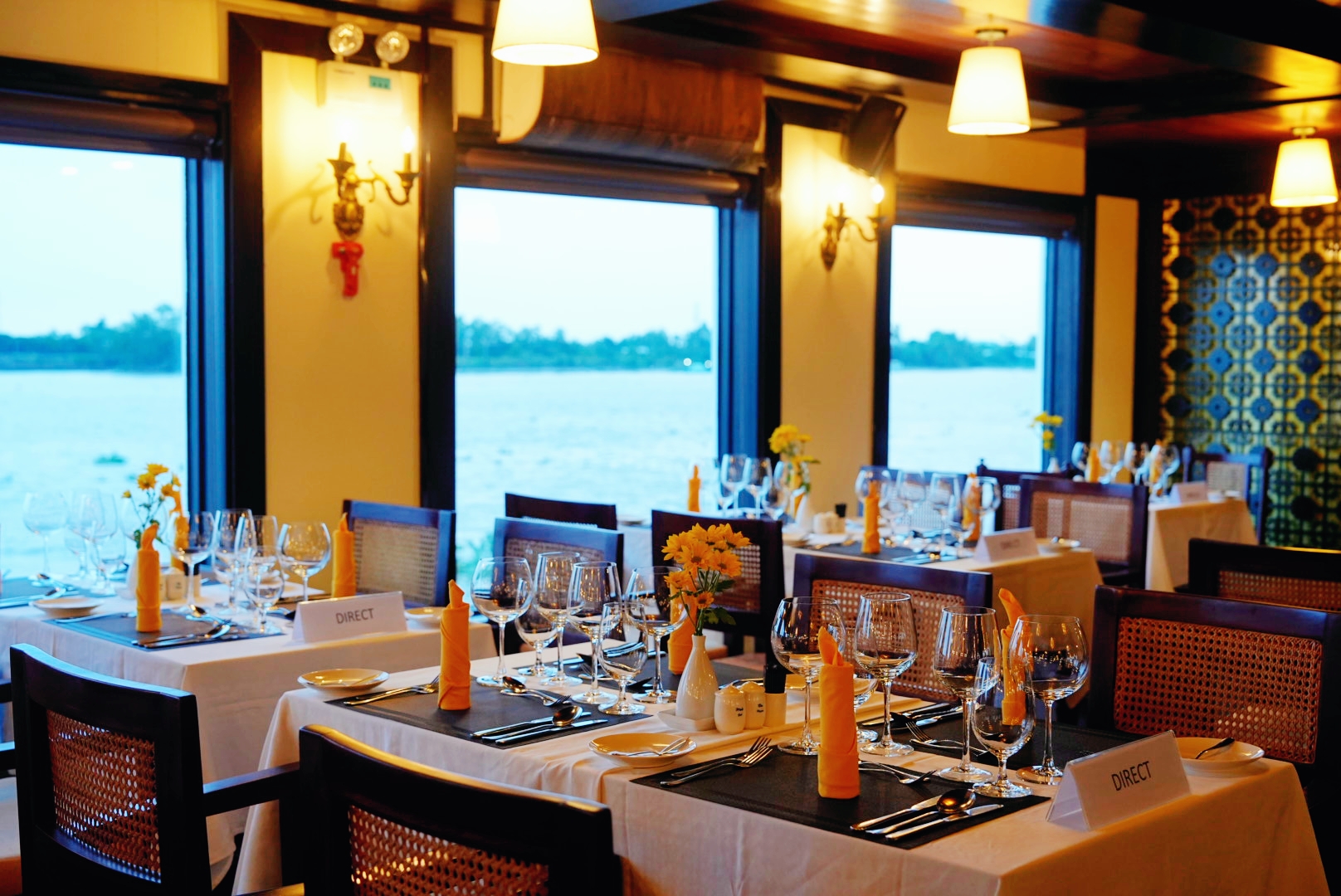
MV La Marguerite stands as the clearest embodiment of this philosophy. Designed in the spirit of French Art Nouveau, with dark wooden interiors, intricate carvings, and classic Indochinese-patterned tiles, this 46-cabin vessel evokes an entire century of Mekong history. Each cabin features a private balcony overlooking the river, while the upper deck offers a swimming pool and a sundeck where guests can quietly watch the riverbanks drift by.
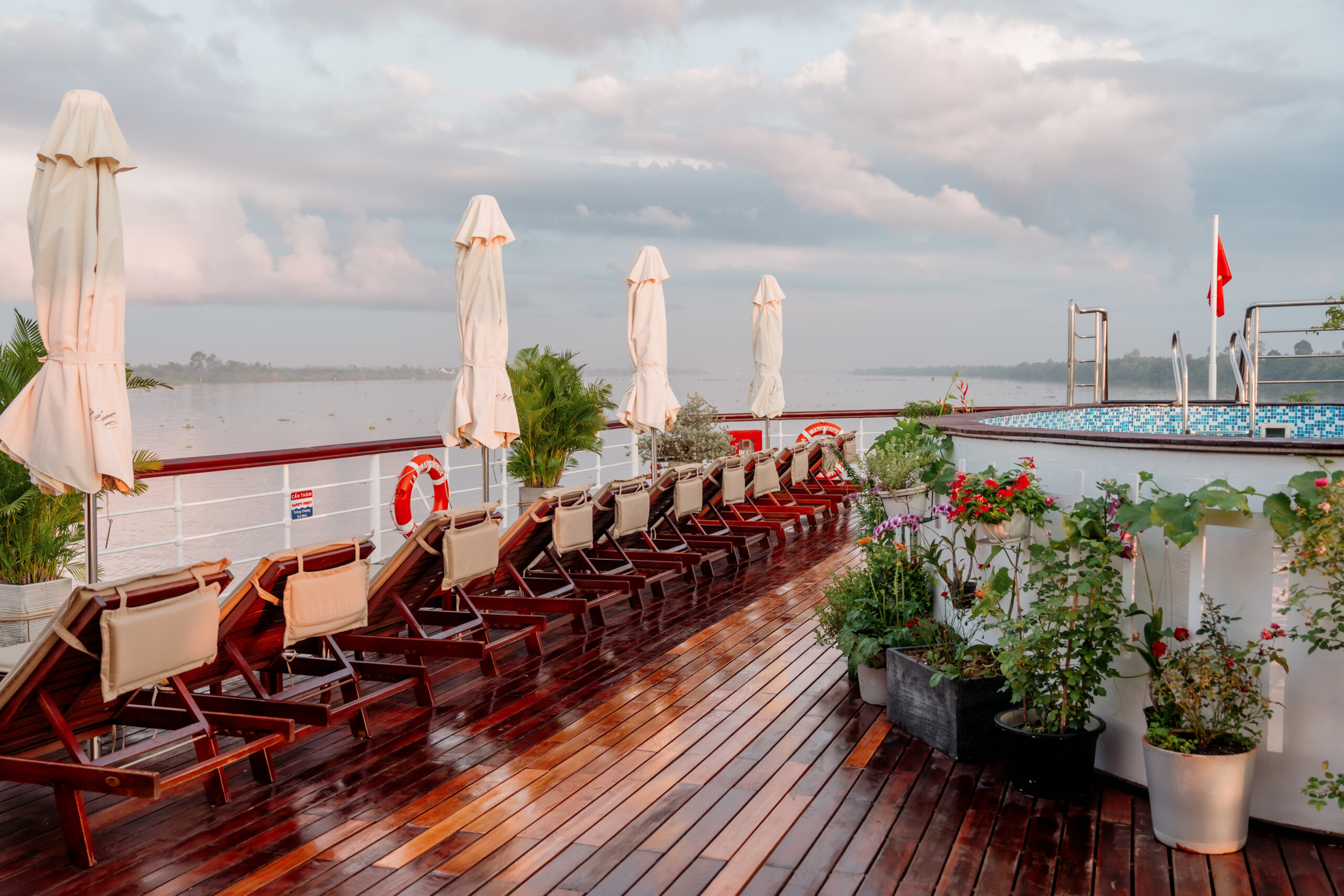
Luxury here goes hand in hand with responsibility. This is reflected in the use of locally sourced ingredients in every Asian–European fusion meal, and in the use of smaller sampans instead of large vessels to gently navigate local communities. For us, luxury and sustainability are not opposites — they are inseparable standards.
The journey from Ho Chi Minh City to Siem Reap, passing through Sa Dec, Cu Lao Gieng, Phnom Penh, and Kampong Chhnang, offers travellers a continuous glimpse into the history and ecology of one of the world’s most important river basins. Fully aware of this immense value, Focus Travel remains committed to protecting every mile of river our vessels travel through.
The Circle of Mekong Conservation Begins Behind the Cabin Doors of La Marguerite
At Focus Travel, ESG is not a marketing campaign. There are no flashy hashtags or symbolic tree-planting events forgotten the next day. Instead, it is the accumulation of thousands of quiet decisions made consistently over 26 years — shaping a model of tourism where the river never has to pay the price for its own beauty.
When travellers step aboard La Marguerite and gaze upon the vast Mekong River from their cabin balcony, they are witnessing the result of all these efforts. And when they leave the ship, carrying a deeper understanding of this ancient waterway, of the people whose lives are bound to its banks, and of the fragile beauty of an irreplaceable ecosystem, they are no longer simply tourists. They become part of the circle of conservation that Focus Travel is devoted to building.
Because rivers deserve to keep telling their stories — not only for today, but for generations yet to come.
Journey with us.