On the global yachting map — where each anchorage represents not merely a geographic coordinate but a distinct lifestyle — Ana Marina emerges as a noteworthy milestone for Vietnam. More than filling an infrastructural gap, this project reflects a deeper shift in how people engage with the sea: from exploitation to coexistence, from a stopover to an immersive experience.
As global travellers increasingly seek journeys that are personalised, private, and rich in depth, a marina is no longer just a docking point — it becomes the beginning of a way of life. Within this evolving current, Ana Marina stands as a compelling response: a place where the sea is not merely observed, but lived with — refined, intimate, and sustainable.
Ana Marina: A New Gateway to Luxury Journeys and Global Experiential Flows
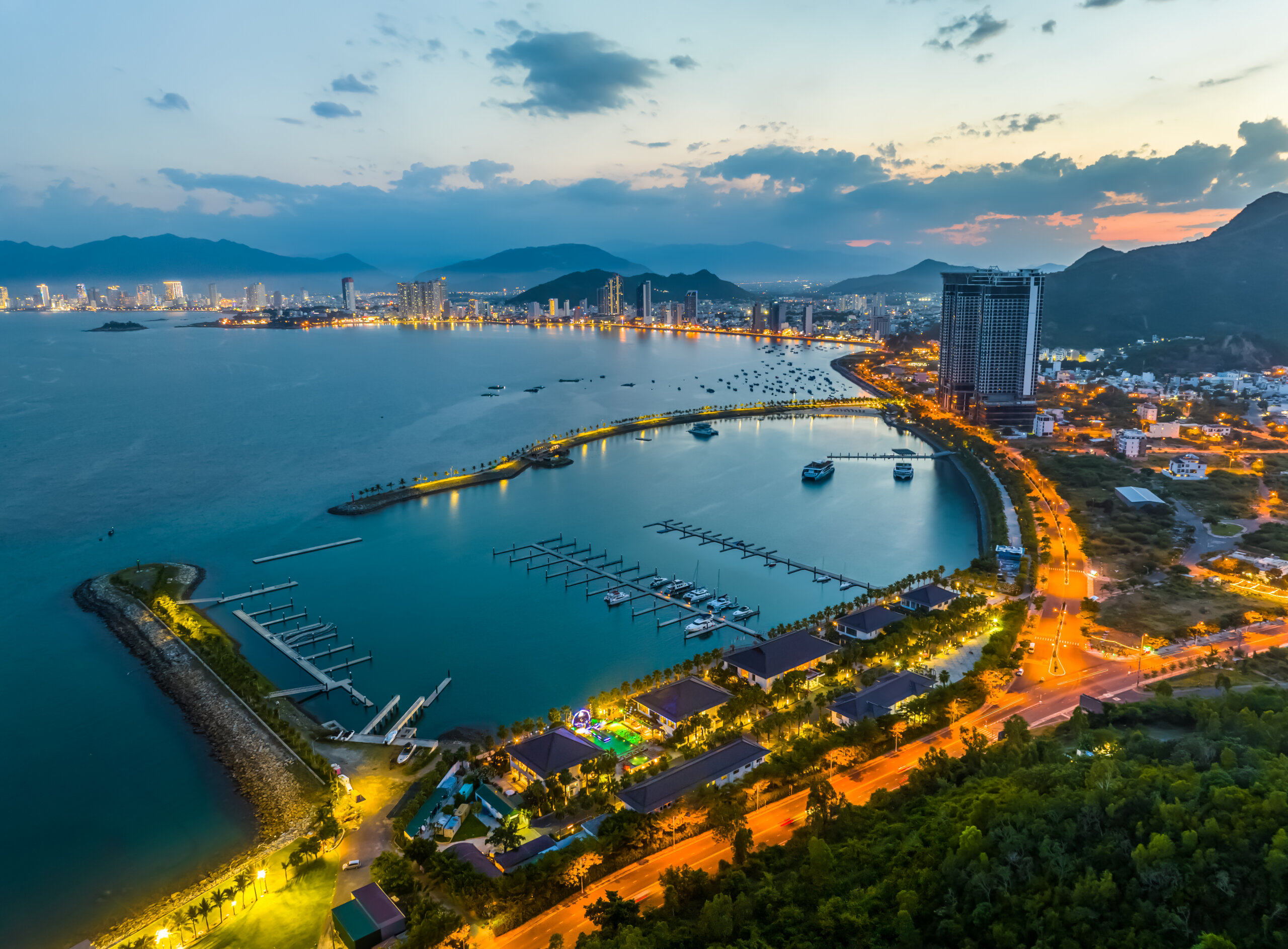
Set against the backdrop of Nha Trang Bay — where calm waters gently hold long voyages — Ana Marina is conceived not as a stop, but as a living structure designed to move in harmony with the sea. Spanning nearly 90 hectares, predominantly water surface, its scale is not just a number, but a deliberate act of “making space” for experience. Every movement of a yacht, every still moment of the bay becomes part of a larger narrative. Recognised as Vietnam’s first international marina in 2023, Ana Marina marks more than a pioneering milestone. It signals Vietnam’s entry into a new framework of maritime tourism — where standards extend beyond infrastructure to encompass the creation of meaningful living experiences.
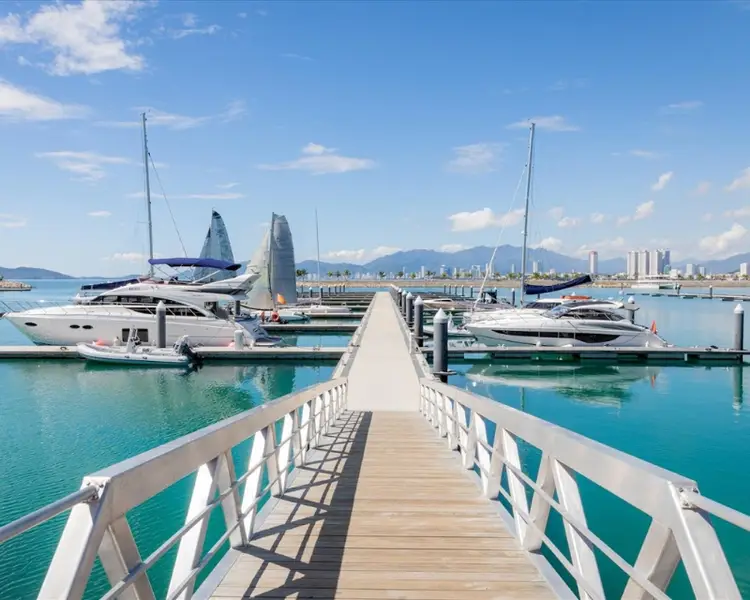
Behind this lies a globally oriented operational structure: from internationally certified docking systems to technical capabilities accommodating a wide spectrum of vessels — from minimalist sailing yachts to luxurious “floating living spaces”. Yet the true value lies not in capacity but in adaptability — each vessel brings a different clientele, rhythm, and set of expectations, all of which Ana Marina is designed to embrace.
As international routes begin to include this destination, Ana Marina is no longer a coincidental stop, but a deliberate link within regional experiential networks. The arrival of “floating cities” such as Costa Serena — carrying thousands of passengers from Hong Kong and Europe—serves not only as an operational milestone, but also as a clear signal: premium tourism flows are seeking new destinations that balance modern infrastructure with authentic natural identity.
In this context, Ana Marina does more than welcome visitors — it gradually shapes how they arrive, stay, and experience Vietnam.
When an International Marina Becomes a Benchmark for a New Tourism Approach
Amid the dynamic transformation of Vietnam’s coastal tourism, Ana Marina stands as a defining landmark — not only in investment scale but in long-term vision. As the country’s first international-standard marina, it is expected to open a new chapter for the industry, while marking a significant step forward for Focus Travel Group in its sustainable development journey.
In a world moving at ever-increasing speed, marine tourism is redefining its core values. The sea, once a natural backdrop, is becoming part of a refined lifestyle – where experiences are shaped by depth, sustainability, and long-term responsibility.
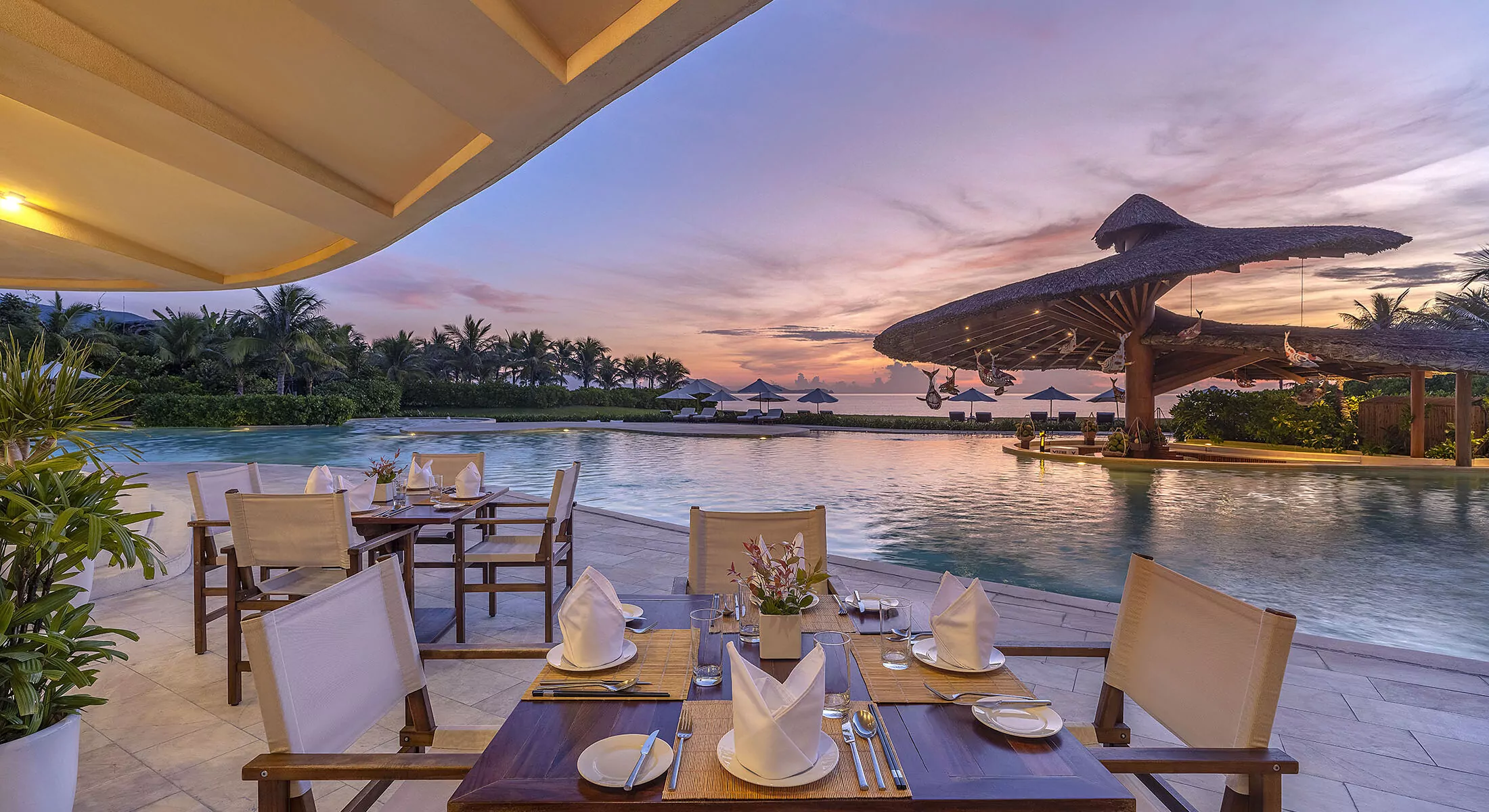
Behind the image of a modern marina lies a profoundly human need: to rediscover a slower rhythm in an overstimulated, hyper-connected world. It is this need that sets spaces like Ana Marina apart — places capable of creating lasting emotional value. From moments like “Sunset on the Bay” at Ana Beach House to leisurely walks along the coastal promenade, visitors are offered something rare: stillness. Here, the hurried noise of the city gives way to the sound of waves against the docks and the quiet return of sails under the fading light.
Ana Marina – Where the Ocean Becomes a Sustainable Living Space
Rather than following the model of a purely functional port, Ana Marina Nha Trang is developed as an integrated marina — a complex that sets new standards for sustainable coastal tourism, as seen in leading global destinations. This model echoes developments such as One°15 Marina Sentosa Cove (Singapore), Porto Montenegro, and Dubai Marina — where maritime infrastructure seamlessly integrates with hospitality, dining, wellness, and residential living. In these spaces, the boundary between port and lifestyle dissolves. At Ana Marina, the sea is no longer a backdrop — it becomes part of everyday life. Every element, from docking facilities to commercial and leisure services, is designed as part of a unified ecosystem, operating in a shared rhythm.
This shift — from “technical stop” to “lifestyle destination” — positions Ana Marina beyond the limits of a conventional port. It reflects a broader trend in contemporary tourism: travellers are no longer seeking more, but seeking deeper. They value privacy, personalisation, and meaningful experiences.
As such, Ana Marina naturally attracts a distinct audience — those who travel not merely to see, but to recalibrate, to restore balance within the quiet elegance of nature.
A Strategic Convergence Point of Regional Flows
Ana Marina’s potential is no coincidence. Located in a region blessed with calm waters and year-round sunshine, it offers ideal natural conditions sought by any marina: stable weather, gentle seas, and expansive ocean views.
More importantly, Nha Trang sits near key maritime routes connecting Southeast Asia and Northeast Asia, positioning Ana Marina as a vital node within the regional yachting network. From here, journeys are no longer isolated — they become interconnected, cross-border experiences.
Viet Nam, in this context, is no longer on the periphery of the global yachting map, but is gradually integrating into its core flow.
Where Infrastructure Becomes Experience
Behind Ana Marina’s modern façade lies a long-term planning philosophy — one where infrastructure not only supports operations but shapes how people interact with the sea.
Its docking systems, developed to international standards by Poralu Marine (France), ensure stability against tidal fluctuations and accommodate up to 110 vessels, from narrow yachts to large superyachts.
What distinguishes Ana Marina is how space is opened and harmonised with the natural landscape. Instead of imposing rigid concrete forms, areas such as Ana Marina Club and the coastal promenade are designed with fluid lines that connect seamlessly to the water.
At the same time, its service ecosystem is conceived as a continuous flow — where the boundary between technical operation and personal experience fades. Every element, from behind-the-scenes logistics to moments of leisure on the bay, is orchestrated to extend the emotional journey rather than conclude it at the dock. Here, docking is no longer a technical act — it becomes a meaningful pause: slow enough to restore energy, refined enough to deepen awareness of one’s place within the natural ecosystem. This is how sustainable tourism takes shape — not through grand gestures, but through a quiet, enduring harmony with nature.

How Ana Marina is Redefining Nha Trang Tourism
The presence of Ana Marina extends beyond adding new infrastructure — it marks a shift in the development mindset of Nha Trang’s entire tourism ecosystem. Moving away from mass tourism, it introduces a new direction where value lies not in quantity, but in depth of experience. Luxury tourism becomes a focal point, catering to travellers who seek privacy, refined service, and personalised journeys.
More importantly, its ability to welcome international yachts connects Nha Trang to the global maritime tourism network. The city is no longer a standalone destination— it is evolving toward the status of international yachting hubs like Singapore or Dubai. In this transformation, marine tourism transcends its role as an industry — it becomes an expression of lifestyle.
Conclusion
In the global evolution of tourism — where value is measured not by the number of destinations, but by the depth of experience — Ana Marina is more than a marina. It represents a new way of engaging with the sea, where Viet Nam is no longer on the sidelines, but actively shaping how people move, pause, and live across oceans.
From a point of anchorage on the maritime map, Ana Marina is becoming an emotional touchpoint — where journeys do not end at docking, but unfold in more refined ways. Here, the sea is not just scenery — it is a space where people rediscover their own rhythm.
And ultimately, the true value of Ana Marina lies not in its scale or international standards, but in its ability to create experiences deep enough to inspire return — not to continue the journey, but to stay longer, listen more, and fully embrace a Viet Nam that is steadily stepping into the open sea, in its own distinctive way.