
Have you ever felt a quiet concern seeing children today so absorbed in AI cartoon characters or endless, soulless entertainment on social media? Have you ever wondered whether they are gradually losing their connection to nature—and to what childhood truly feels like?
While many of us grew up running freely across fields, falling asleep to our grandmother’s lullabies, and watching flocks of birds return home at dusk, our children’s world is now often confined to the small screen of a mobile phone.
When Curiosity Begins to Speak
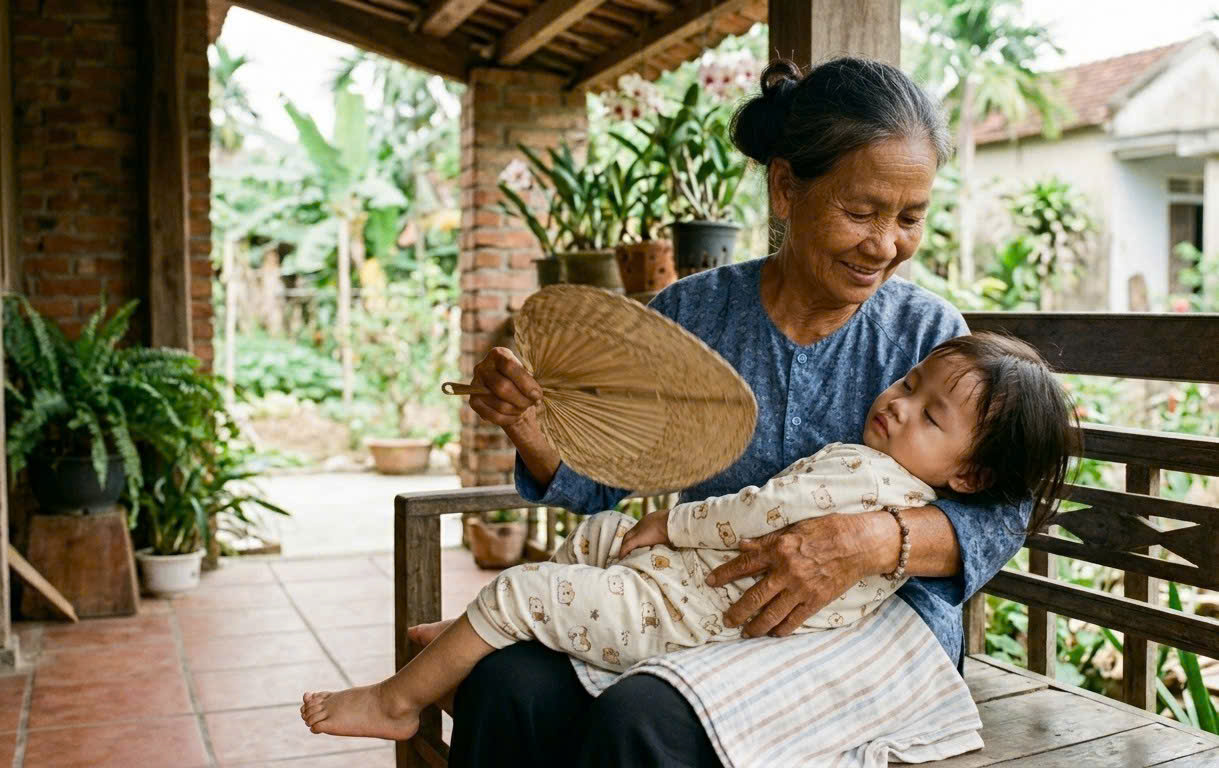
Stepping away from textbooks and rigid formulas, the Thom Canal welcomes children with the gentle sound of water and sunlight filtering through lush coconut palms. Sitting on a small boat, surrounded by calmness, their perspective quietly expands beyond the walls of the city.
In that space, innocent questions begin to arise:
“Mom, Dad, why do people wash their clothes in the river instead of using a washing machine like we do?”
“Why do people here bathe in the river?”
These are not just questions about daily habits. They mark the moment when children begin to realize that the world is vast and diverse—that there are ways of living very different from the conveniences they are used to. These questions become bridges for parents to share stories about the rhythm of river life, the deep connection between the people of the Mekong and the water, and the value of preserving simple, local cultural traditions.
When Hands Touch Heritage, and Hearts Begin to Imagine
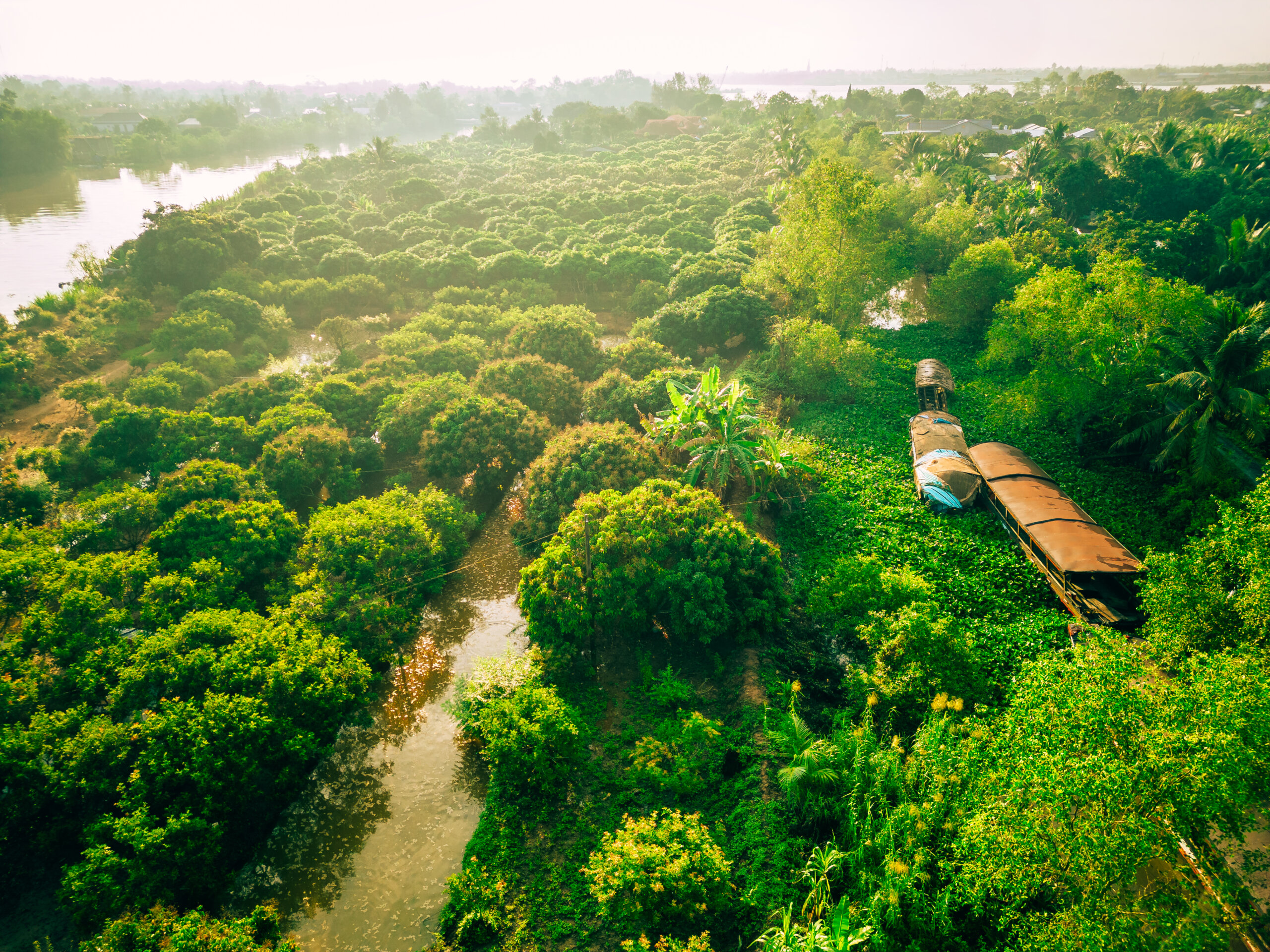
Leaving the river behind, the journey brings children to one of the “souls” of Southern Vietnam: a traditional coconut craft village. Here, children do not just observe—they touch, smell, and feel.
The sound of coconut shells being split, the rustic scent of coconut fibre, and the sight of skilful hands transforming rough shells into everyday products—fibre, cooking oil, skincare oil, candies—become vivid lessons in diligence and creativity.
In this space, imagination is fully respected, and any structure does not confine creativity. The experiences gathered along the river begin to settle quietly within, becoming part of a child’s inner world.
Touching the Cultural Undercurrent: Lessons Without Words
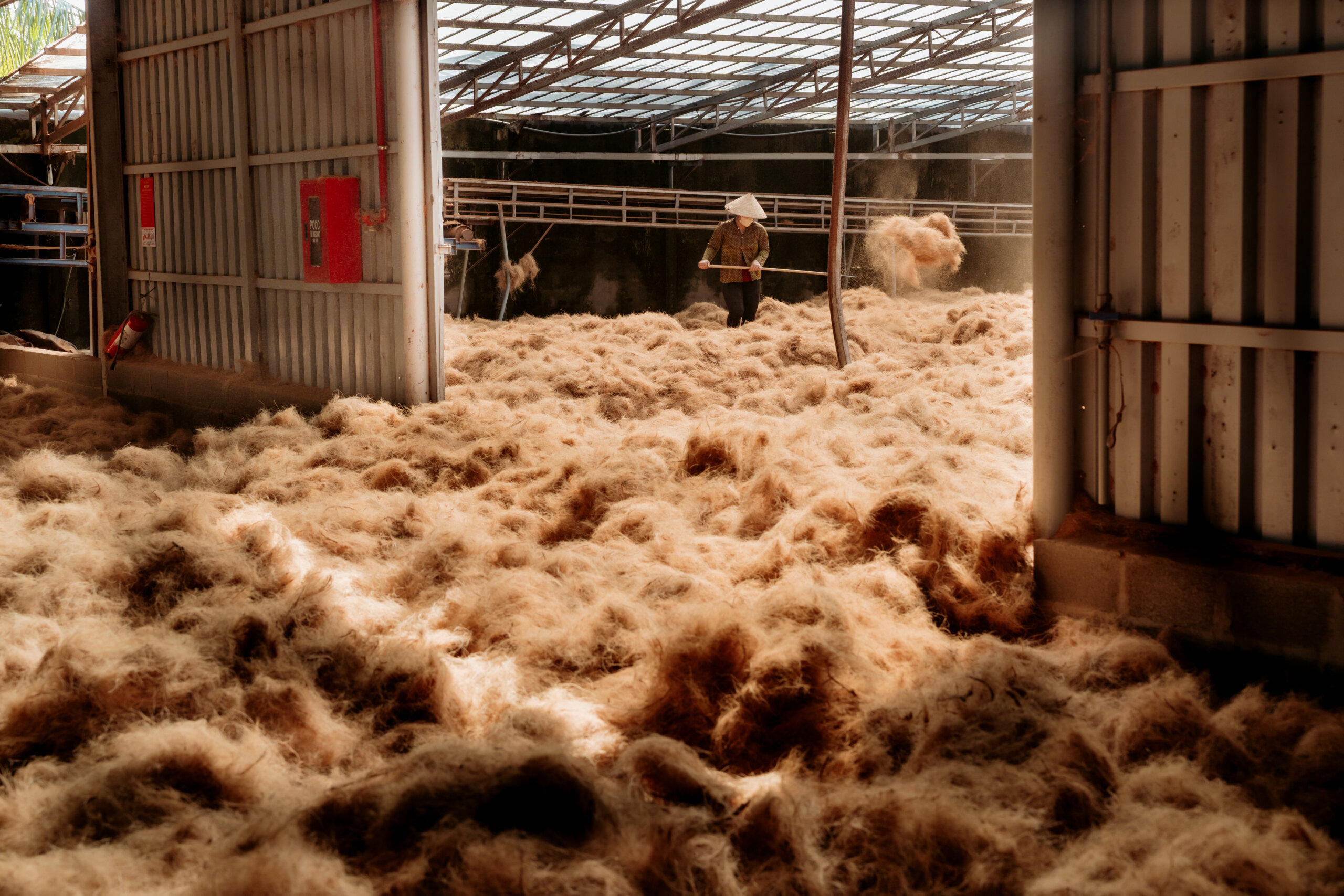
As the sunlight softens toward evening, Van Thanh Mieu appears as a symbol of scholarship and respect for learning that has endured through generations.
Here, there is no need for dry historical lectures or complex explanations. The stillness of the space and the solemn beauty of its architecture naturally evoke a sense of reverence for knowledge.
Despite the passage of time and historical changes that have altered many cultural sites in Vinh Long, Van Thanh Mieu has remained preserved, standing as a proud representation of the educational spirit of Southern Vietnam. It tells the story of people who devoted their lives to learning, embodying a quiet yet enduring dedication to knowledge. In that silence, children begin to understand that learning is not merely an obligation but a meaningful journey.
Where Earth Becomes Value – Lessons from the Brick Kiln Village
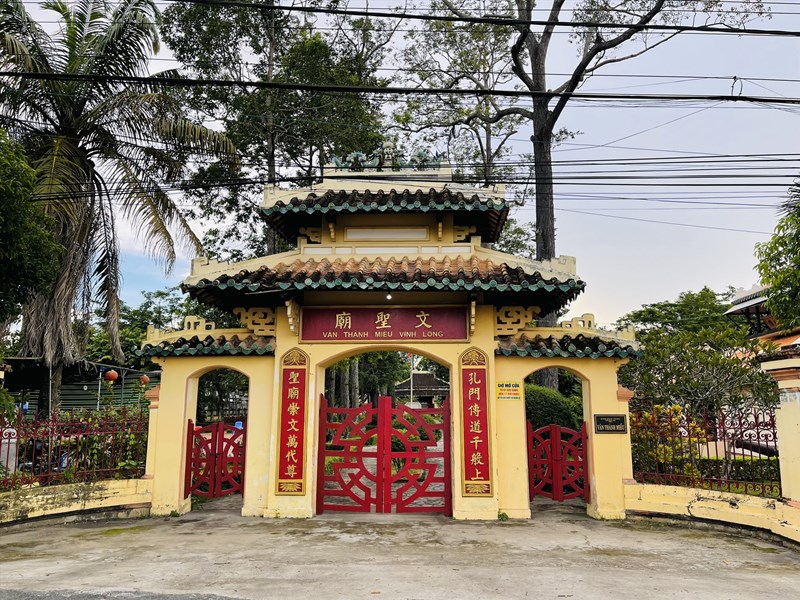
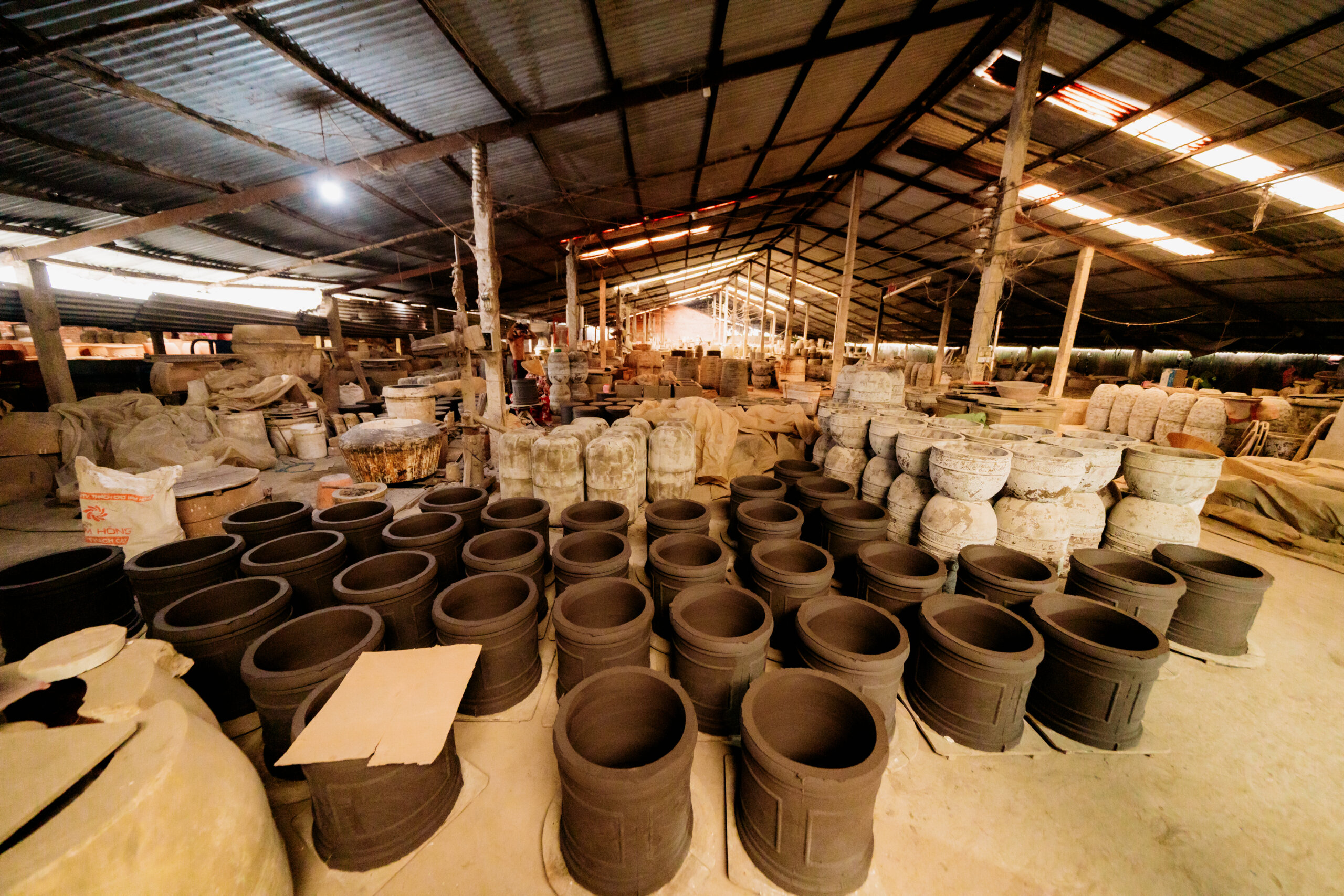
Leaving the calmness behind, the journey returns to the rhythm of labour—where human hands create value in traditional brick kilns.
There is no polish or glamour here. Only the warm tones of baked clay, the heat radiating from the kilns, and the steady dedication of the workers. Children witness a full process—from raw, shapeless earth, through moulding, sun-drying, and firing, to become durable bricks.
In this seemingly simple place, a profound lesson unfolds. Children begin to understand that value does not appear instantly—it is shaped through patience, resilience, and perseverance. Some things must pass through fire to become strong, just as people do when they grow.
When the Stage Opens a Window to the Past
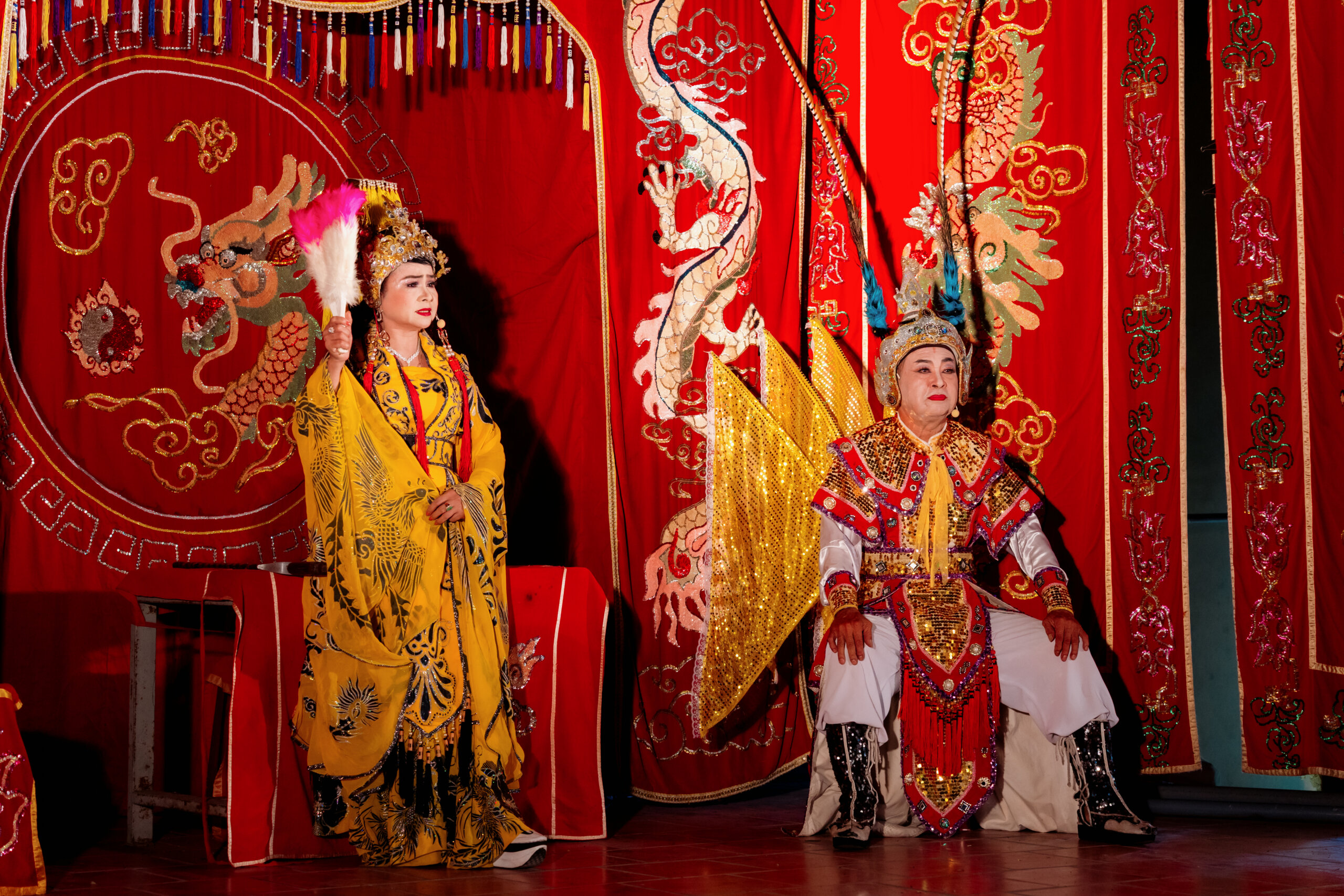
As dusk settles, the journey slows again, and traditional art opens like a doorway to history. Under the stage lights, Hat Boi comes alive with vibrant makeup, expressive gestures, and stories carried through every movement.
With a history of over 500 years, Hat Boi is a classical Vietnamese performing art rich in symbolism and cultural identity. Through stylised gestures, elaborate costumes, and music, it conveys historical and moral narratives deeply rooted in traditional community life.
To children, it may feel unfamiliar at first. Yet that very unfamiliarity invites curiosity. They begin to notice the rhythm, colours, and emotions of each character. The makeup is not merely decorative—it reflects personality, distinguishing between good and evil, loyalty and betrayal. Each story carries lessons about morality, character, and humanity.
In that moment, Hat Boi becomes more than a performance—it becomes a seed quietly planted in a child’s heart: a sense of curiosity and connection to cultural heritage.
And Perhaps, This Is What Parents Truly Hope For
Perhaps what parents truly hope for is simple: to help their children reconnect with what is real. A morning in the Mekong countryside, witnessing a way of life they have never seen before. An afternoon spent listening to stories of culture and history. A quiet moment watching a traditional performance unfold. These are memories that no screen can provide.
Children may grow up with technology, but childhood itself should not be confined by it. Because one day, what they remember will not be what they watched—but what they felt, what they touched, and the moments they truly lived.

